Category: Online Publications

[rev_slider alias=”tsadra-blog”]

Online Publications

  • Adarsha: the Kangyur from the Karmapa

    Adarsha: the Kangyur from the Karmapa

    Adarsha: the Kangyur from the Karmapa

    Adarsha on iTunes

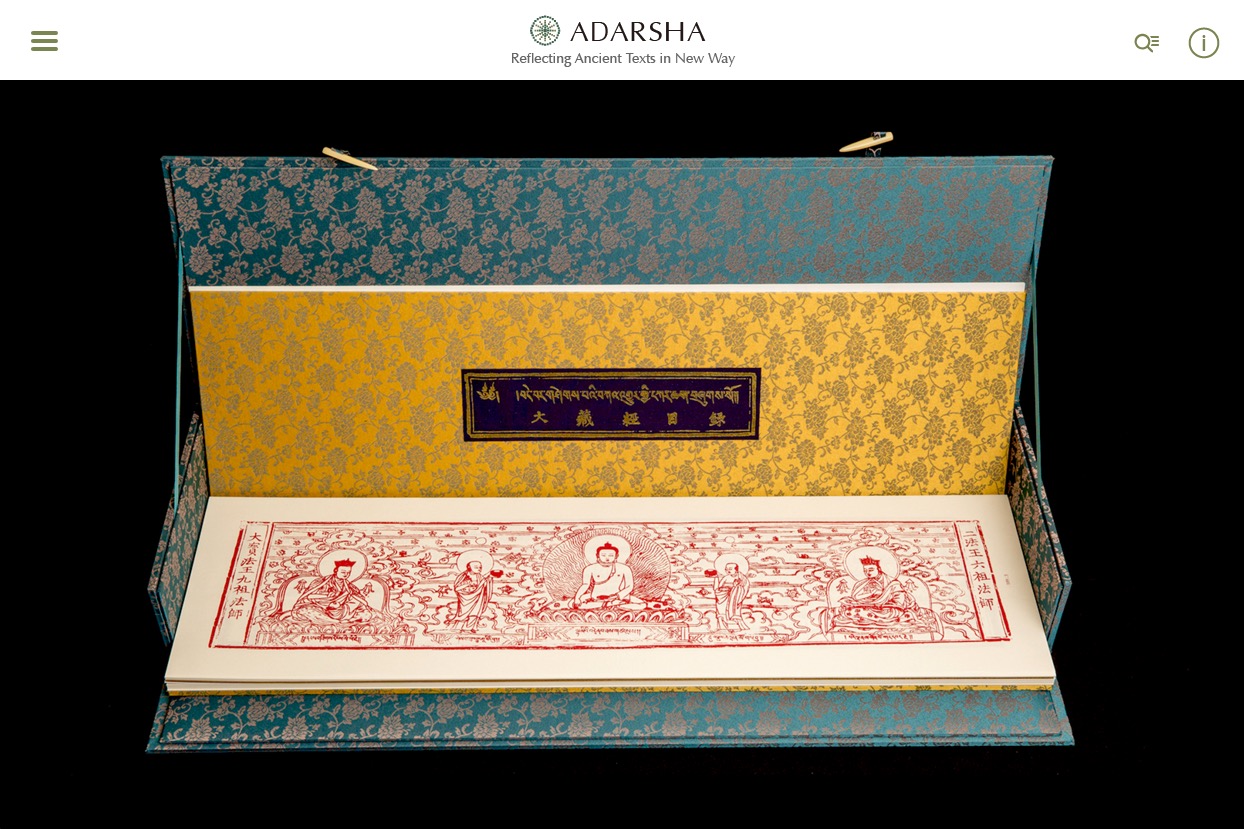
    The Karmapa announced this project in 2014 and although it is still in development, this app is already up and running well on the iPad for searching the Jiang Kangyur in Tibetan script. It looks like they will be adding the Tengyur and other sources soon. A website for easy access on any computer is also in development and can be found at adarsha.dharma-treasure.org.

    From the description on their website:
    1. ADARSHA is an app that lets you read and conduct searches of ancient documents in a digital format. There are three main categories of texts: (a) Kangyur (the words of the Buddha translated into Tibetan); (b) Tengyur (commentaries by Indian scholars translated into Tibetan); and (c) Tibetan Buddhist scriptures.
    2. The software features a fast search engine and simple user interface that meets the needs and habits of the common user in searching and reading material. Searches can be made in Unicode Tibetan or Wylie, and there are summaries of the scriptures for the convenience of the academic community.
    3. His Holiness the 17th Karmapa Orgyen Trinley Dorje named the software ADARSHA (Sanskrit), which means “clear mirror,” with the hope that users will be able to clearly see their own minds reflected in the scriptures as if they were looking at a clear reflection in a mirror.

    Congratulations to His Holiness the 17th Karmapa and all those at the Dharma Treasure Association working on this project!
  • Translation Conference Website Updated!

    Translation Conference Website Updated!

    HAPPY NEW YEAR!

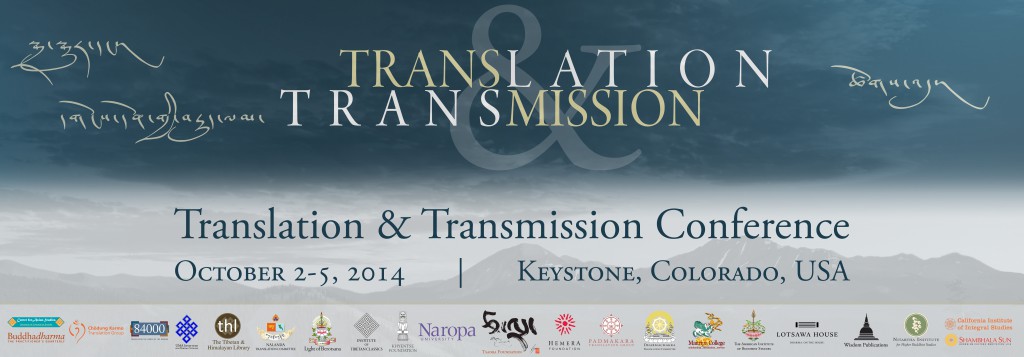
    You can now view videos of each plenary session, listen to audio from workshops, and enjoy pictures from throughout the 2014 Translation & Transmission Conference on the updated conference website:

    http://translationandtransmission.org/conference-revisited.html

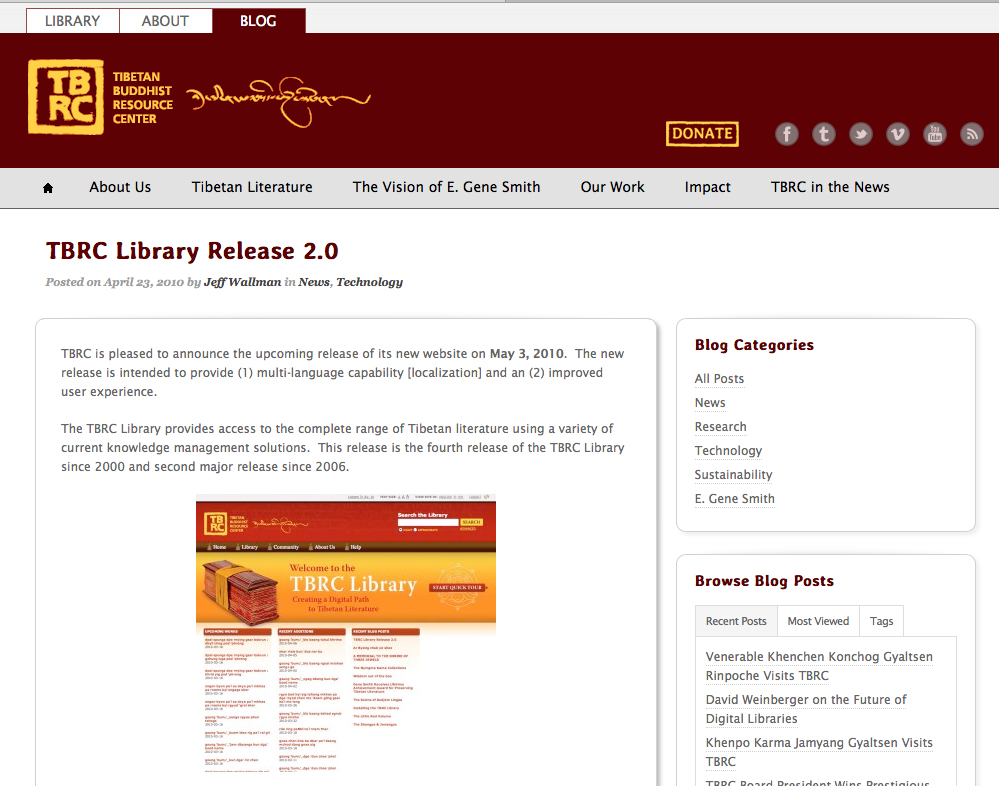
  • TBRC Continues to Develop New Website

    TBRC Continues to Develop New Website

    There were a few glitches to work out, but Q and A sessions are planned for Tuesday’s at 2PM (New York Time?).

    In case you haven’t heard, TBRC has launched a new and improved website.

    You will need to re-register and formally request full access again. It is quite easy and response time is short (24hrs or so). Just click on “LOGIN REGISTER” at the top right corner of the screen. When you get to the login screen, click the tab labeled “Register (new user)” and fill out the form, remembering to check the box next to Request Full Access.

    An important note for people who have been previously accessing the texts at TBRC (from Jeff Wallman):

    “One very important change is that we completely rewrote our authentication module. The net change is that all password account holders will need to register themselves. This should be easier to manage since account holders can choose their own user name and password.

    In addition, we ask that you formally request full access to text downloads. This is necessary because we want to keep a record of account holder names, emails, and interests, but also so that we can improve the performance of the application. You might be pleasantly surprised that the new interface to the digital texts (we call it the digital pecha viewer “DPV”) is easier to use!”

    Enjoy: TBRC.org

  • Tibetan digital translator

    Tibetan digital translator

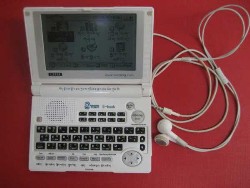
    “Out of land of snows comes a snow-white digital electronic pocket gadget, produced by a Lhasa-based Tibetan enterprise Tibet Luozang Digital Science & Technology Ltd.

    The handheld device features an impressive array of edutainment functions: 34 dictionaries (Tibetan, Chinese, T-C, C-T, T-C-English); PDA (Palm Digital Assistant) application; database of language, cultural and historical entries in Tibetan and Chinese; trilingual WordPad; MP3 player, with USB interface with personal computer; and games…”[/vc_column_text][/vc_column][/vc_row]

  • Stéphane Arguillère’s blog on Klong chen pa

    Stéphane Arguillère’s blog on Klong chen pa

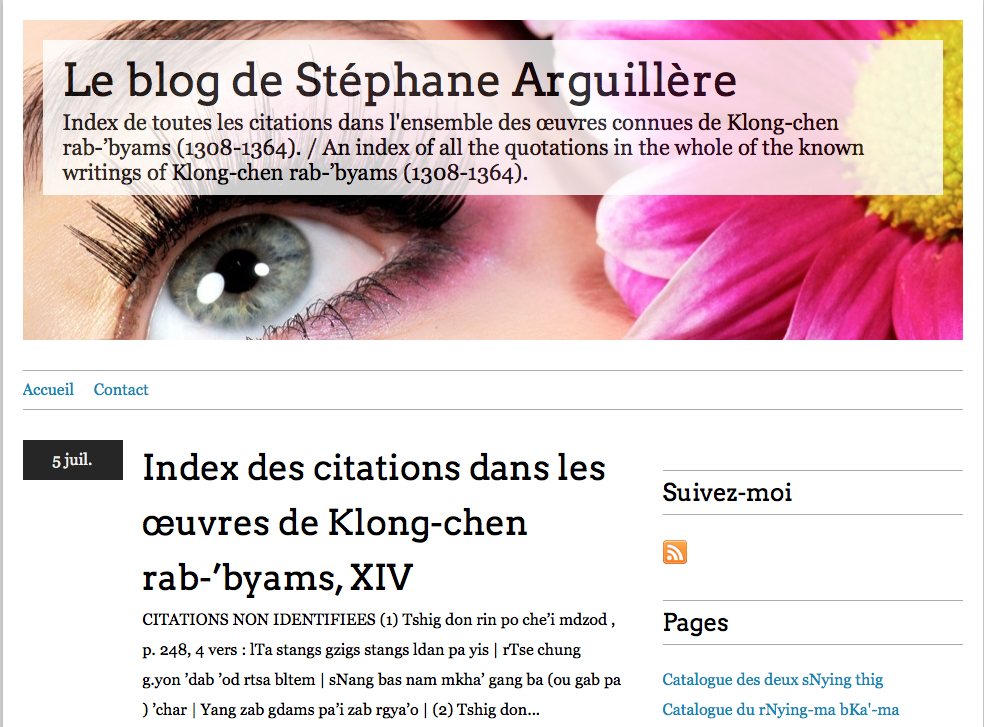
    Stéphane Arguillère is a professor trained in both Tibetan Buddhist and Western philosophy. His work has been lauded by Matthew Kapstein and many others. For all you Francophones, please see his blog on Klong chen pa here: Stéphane Arguillère

  • Tibetan Personal Names from the Blue Annals

    Tibetan Personal Names from the Blue Annals

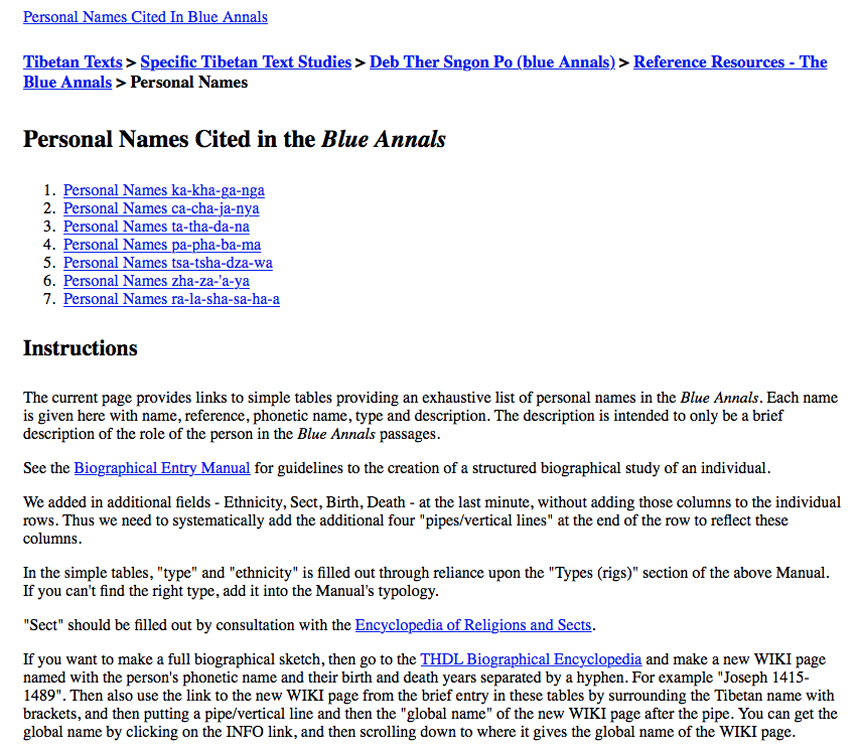
    In case you were not aware, there is a list of easily searchable Tibetan personal names referenced in the Blue Annals here:

    Blue Annals Personal Names Databases

    This page provides links to pages of names organized in Tibetan alphabetical order, each of which gives the Wylie, reference page, Tibetan rendering, and phonetic rendering (THL) for each name. I hope this can be of use if you were not already aware of it.

    Cheers,
    Marcus

  • Update on the Tibetan Himalayan Library

    Update on the Tibetan Himalayan Library

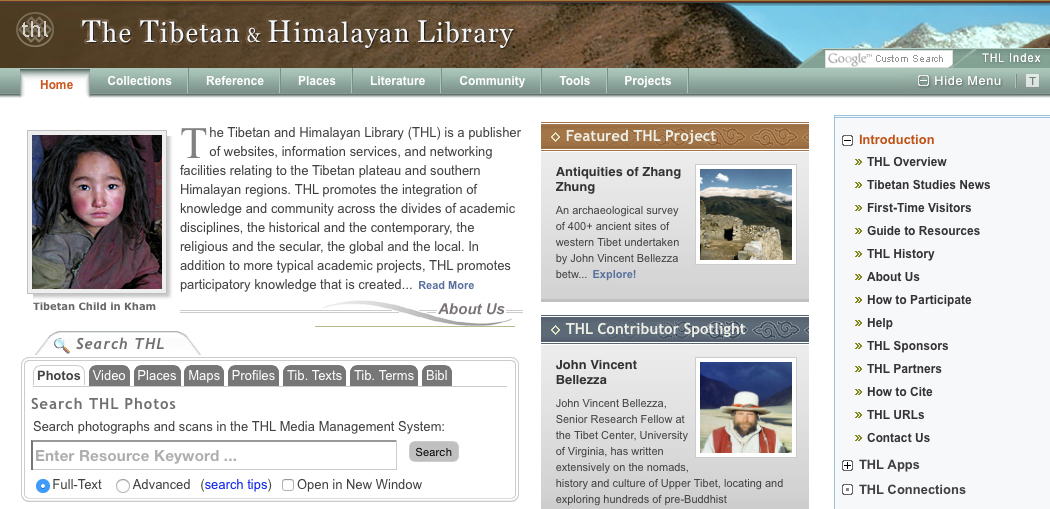
    Many of you probably know THDL, but if you haven’t kept up with their machinations you may find it difficult to find information on this huge resource. The first thing to know is that THDL is no longer THDL, it is called THL (Tibetan Himalayan Library) and it is no longer housed (even in parts) at www.thdl.org. It is now officially only at www.thlib.org The journal for International Association of Tibetan Studies is here.

    Although one might fall prey to the hope that things have become easier to find on THL now that it has fewer letters, simply recall the old adage about hope and fear and settle in for a session of learning experiences. Other than the pretty pictures, THL has also provided us with the experience of not being able to find half of the things that one used to be able to find on the old site. This is because some pages and resources are still in transition and will arrive at their new homes soon.


    There are some really excellent resources that you should know about:

    1. Knowledge Maps – Look on the right side of the Reference page for the link to an amazing set of “interactive” knowledge maps being developed at UVa. Contents include information about various doxographical traditions, languages, Tibetan Literary Genres. Unfortunately, many of the more interesting maps are still being developed.
    2.  Historical Tibetan Dictionary – Try the Browse function. Not every entry has as detailed entries, but some are excellent. Take a look at the word of the day, thod rgal.
    3. NGB – The searchable rnying ma rgyud ’bum IS still there, you just have to find it. Here it is. What you get is extremely detailed cataloging of each text in the NGB.
    4.  Canons Project – As they did with the NGB, UVa is attempting to do deep cataloging of several of the Tengyurs and Kangyurs. Sadly nothing new to report here. They are still working, however, there is an interesting article about Tibetan Historiography by Dr. van der Kuijp.
    5.  There is a very interesting set of pages on the bibliographies of such luminaries as Rin chen bzang po, Machik Labdron, Nyang ral nyi ma ‘od zer, Shenchen Luga, Sakya Pandita, and more. See the link here and send a note to Marcus (marcus@tsadra.org) if you can’t access the information.

    When THL has anything new to offer, or they update anything substantial, I will provide a new post with links to the most interesting information.

  • Bibliographic Database on Tibet: 40000 entries

    Bibliographic Database on Tibet: 40000 entries

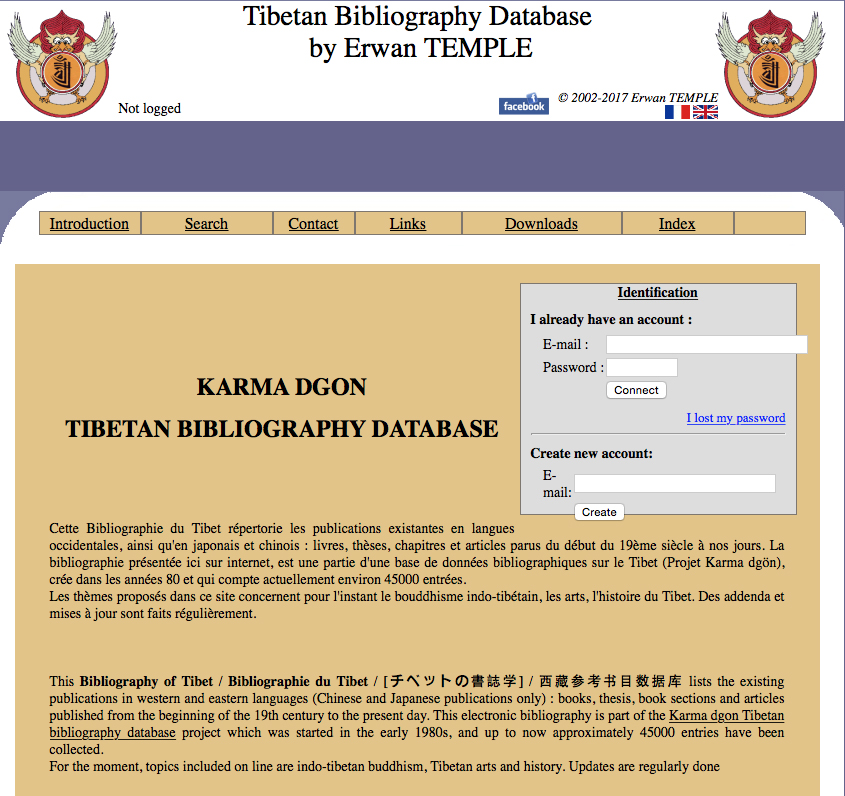
    Karma dgon Tibetan Bibliography Database

    by Erwan Temple

    In case you were not aware of the existence of this wonderful resource, please take the time to sign up for a free account here: http://www.bibliographietibet.org/

  • Find Tibetan, Chinese, Sanskrit and Pali parallel texts

    Find Tibetan, Chinese, Sanskrit and Pali parallel texts

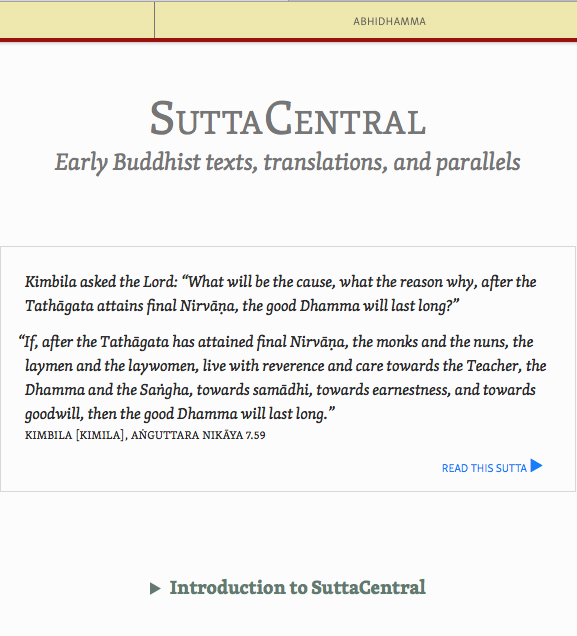
    SuttaCentral allows for searches between Chinese, Tibetan, and sanskrit “parallels” and “counterparts” to the suttas of the four main Pali Nikayas. You may want to see their help page before searching through the database. Their bibliography page may also be of interest.